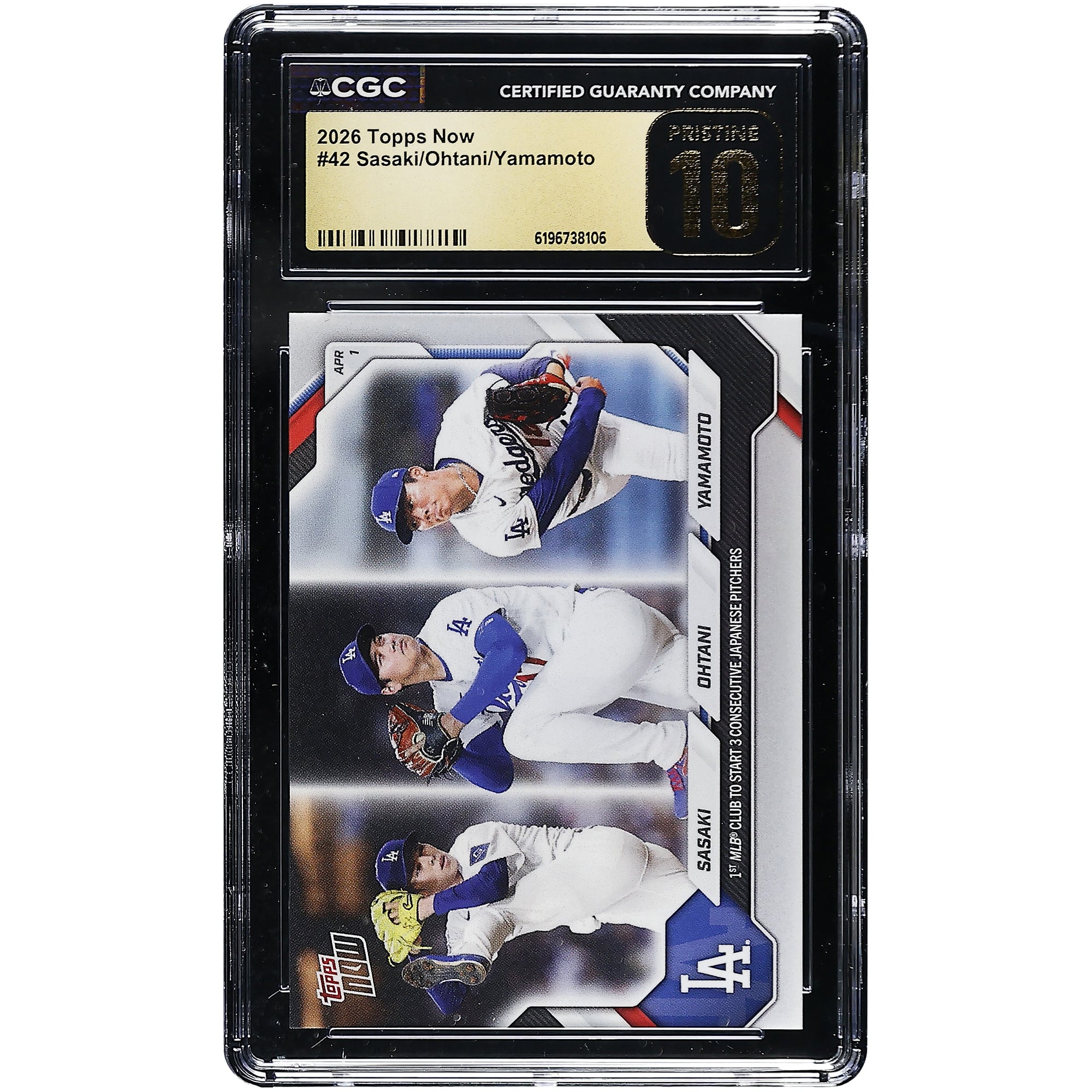
On August 5, 2026, the Chicago Cubs beat the Los Angeles Dodgers 7-6, a game the Cubs needed until the final out to close out. Shohei Ohtani, playing for the Dodgers, hit two home runs in the loss — the kind of individual night that normally settles a game by itself. This time, it didn't, and that mismatch between one player's production and his team's result is worth sitting with.
Across every hitter in the majors on August 5, the average player hit 0.12 home runs — call it one homer for roughly every eight hitters in a lineup on a given night. Ohtani hit two, which works out to a z-score of 5.29 relative to that day's league-wide mean. A z-score past 4 already describes an outcome you'd expect to see only a handful of times across a full season, league-wide; past 5 is rarer still — closer to something that shows up a few times a year across all of MLB combined, not per team. Two-homer games happen regularly around the league. Two-homer games on a day when hitters as a whole were averaging barely a tenth of a home run apiece are a different animal.
The specific exit velocity and launch angle on each of Ohtani's two home runs aren't part of the box-score data available for this game, so there's no way to say precisely how hard either ball was hit or at what angle it left the bat. What is on the record is his season line: a .554 slugging percentage and .953 OPS across 109 games, with 26 home runs and 70 RBI before this game even started. That's a hitter who's been running at a high power output all year, not one who suddenly discovered pull-side lift in a single at-bat. Whatever happened mechanically on those two swings, it happened to a player already operating near the top of the league in extra-base production.
The specific exit velocity and launch angle on each of Ohtani's two home runs aren't part of the box-score data available for this game, so there's no way to say precisely how hard either ball was hit or at what angle it left the bat. What is on the record is his season line: a .554 slugging percentage and .953 OPS across 109 games, with 26 home runs and 70 RBI before this game even started. That's a hitter who's been running at a high power output all year, not one who suddenly discovered pull-side lift in a single at-bat. Whatever happened mechanically on those two swings, it happened to a player already operating near the top of the league in extra-base production.
Zoom out and the more interesting story might be the Dodgers, not Ohtani. A team that gets two home runs from its best hitter and still loses by one run has a defense or pitching problem that a monster individual night can't paper over. Ohtani's career line — a .283 average and 306 home runs across 1,142 games — says this kind of power outburst is well within his range; what's less common is watching it happen and still walking away with a loss. For a two-way player who's carried outsized offensive expectations for most of his career, a night like this is a reminder that no single hitter controls nine innings alone.
The concrete thing to track over the Dodgers' next few games: whether the bullpen or defense that let a 6-6 game slip into a 7-6 loss shows up again, because that — not Ohtani's bat — is what turned a big power night into a loss. If Los Angeles keeps giving away close games after nights like this, the story stops being about one hitter's home runs and starts being about everything happening around him.
Ohtani produced a night 5.29 standard deviations above the league average — and the Dodgers still found a way to lose by one. Some numbers explain a game. This one just explains the at-bats.