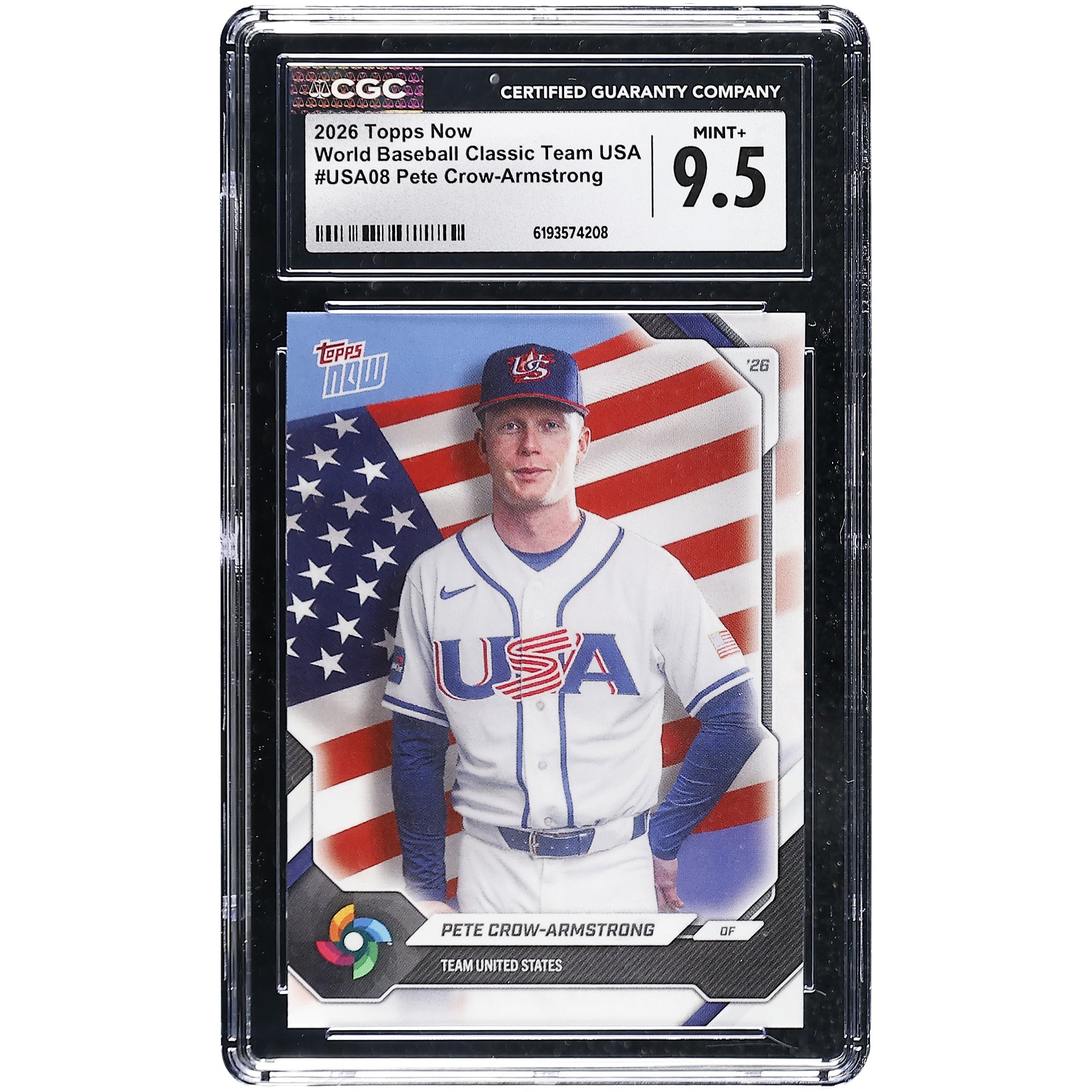
On September 16, 2026, the Chicago Cubs beat the Atlanta Braves 8-4, and center fielder Pete Crow-Armstrong did something almost nobody else in the majors did that day: he hit two home runs in the same game. It was the signature moment in an 8-4 Cubs win, and on a night when the average big leaguer barely managed a tenth of a homer, Crow-Armstrong's pair stood out as one of the rarest single-game power lines of the year.
Start with the baseline. Across every hitter who played in the majors on September 16, the average player hit 0.11 home runs — in other words, about one in nine hitters went deep at all, and almost none hit more than one. Crow-Armstrong hit two. That gap between 0.11 and 2 produces a z-score of about 5.5, a number so far outside the typical distribution of single-game performances that it's not really a "top percentage" anymore — it's the kind of outcome that shows up only a handful of times across an entire major league season, if that. Multi-homer games aren't unheard of, but this one sat at the extreme tail of how rare they get.
Here's where the data gets thin, and it's worth being upfront about that: the box score doesn't include exit velocity or launch angle readings for either of Crow-Armstrong's two home runs, so there's no pitch-by-pitch mechanical story to tell about barrel contact or bat speed on these specific swings. What we do know is the broader shape of his season. Crow-Armstrong has hit 44 home runs in 153 games this year, with a .581 slugging percentage and a .956 OPS — numbers that describe a hitter getting to power consistently, not just on this one night. A two-homer game fits neatly inside a season that's already been full of them, even if the specific pitches he turned around on September 16 aren't part of the available record.
Here's where the data gets thin, and it's worth being upfront about that: the box score doesn't include exit velocity or launch angle readings for either of Crow-Armstrong's two home runs, so there's no pitch-by-pitch mechanical story to tell about barrel contact or bat speed on these specific swings. What we do know is the broader shape of his season. Crow-Armstrong has hit 44 home runs in 153 games this year, with a .581 slugging percentage and a .956 OPS — numbers that describe a hitter getting to power consistently, not just on this one night. A two-homer game fits neatly inside a season that's already been full of them, even if the specific pitches he turned around on September 16 aren't part of the available record.
Zoom out further and the season framing gets more interesting. Crow-Armstrong has 85 home runs across 446 career games; 44 of those — more than half his career total — have come in this single season. That's a breakout, not a continuation of his career norm, which sits at a .256 average and far more modest power over his first three-plus seasons. This two-homer night didn't create that story, but it's a clean data point inside it: a 24-year-old outfielder who has fundamentally changed what he does at the plate, hitting his 43rd and 44th homers of the year in a comfortable September win over the Braves.
Chicago's season is winding down — Crow-Armstrong has played in 153 of a possible 162 games, leaving roughly nine left on the schedule. Whether he adds to his 44 home runs in that stretch is a concrete thing to watch: a couple more homers puts him at 46 or higher for the year, a total that would place this two-homer night in the middle of a sustained power surge rather than a season-ending fluke. The next few box scores will say more about which one it turns out to be.
Two home runs off a 0.11 baseline is rare no matter how you slice it. What happens over Chicago's final nine games will decide whether September 16 gets remembered as a peak or just another data point in an already unusual season.