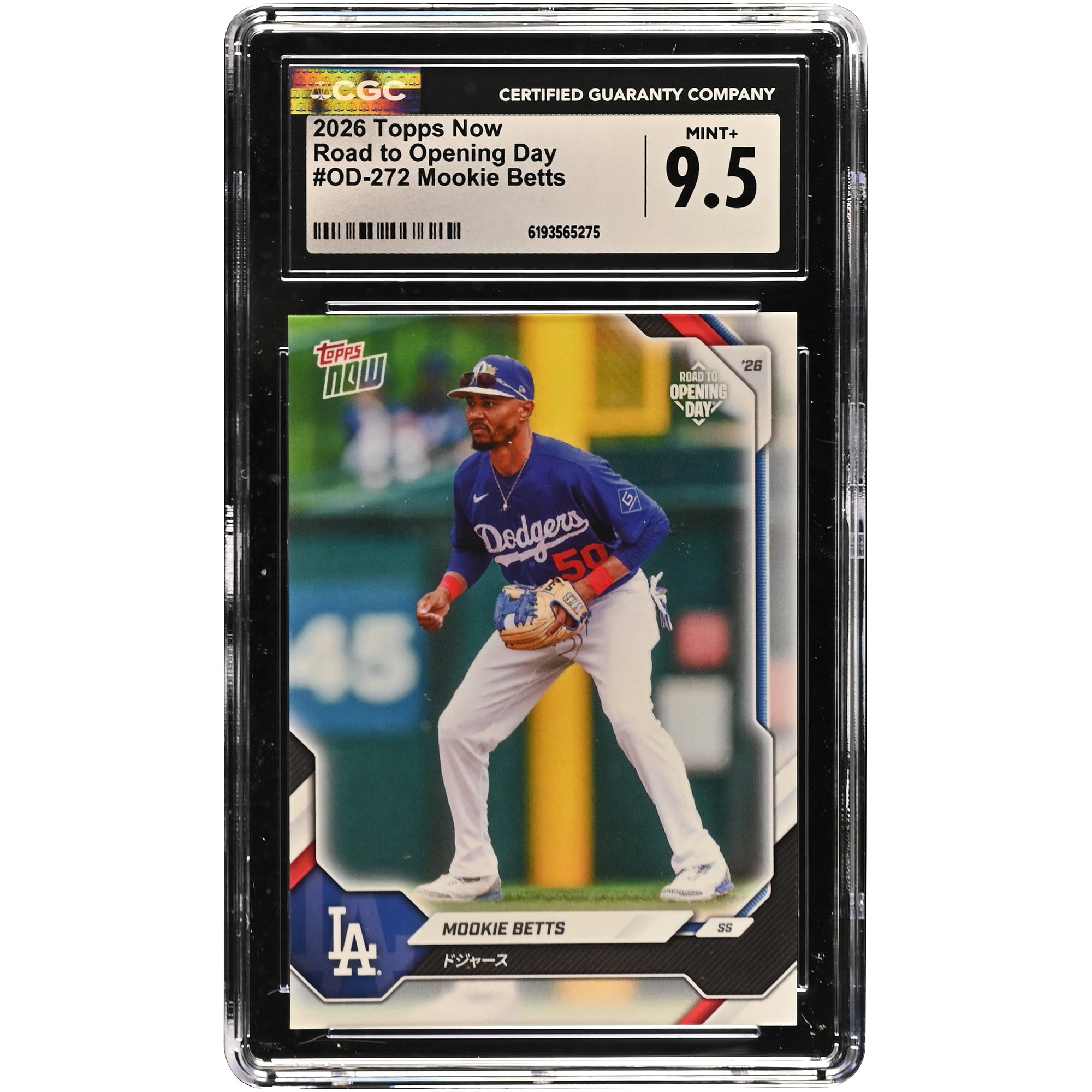
On September 18, 2026, the Los Angeles Dodgers beat the San Francisco Giants 8-2, and Mookie Betts personally accounted for two of those eight runs. In a season where he's hitting .254, the two home runs pushed his total to 22 — and turned an otherwise routine September blowout into a reminder of just how uncommon a multi-homer game really is, even for a hitter of his caliber.
Start with the baseline: across every hitter who played in a major league game that day, the average number of home runs per player was 0.15. In plain terms, roughly one in seven players who stepped into a batter's box hit a home run at all — most hit zero. Betts hit two. That gap between 0.15 and 2 works out to a z-score of 5.06, a number that stops being 'impressive' and starts being 'rare in a way that's hard to picture.' A z-score above 4 typically shows up only a handful of times across an entire league season; 5.06 is deep enough into the tail that it's closer to a once-every-few-seasons event than a once-a-month one.
Yesterday's box score doesn't hand us pitch-by-pitch Statcast data on these specific two homers — no exit velocity or launch angle readings came through for this game. What we do have is the season-long shape of Betts's contact quality: a hard-hit rate sitting near 61%, meaning more than six of every ten balls he puts in play this year are struck with real authority. That's the kind of underlying profile that doesn't guarantee two-homer nights, but it explains why, when the barrels line up on the same day, the results can look like this. A .446 slugging percentage over 115 games tells the same story — power that shows up in bursts against a .254 batting average that, on its own, wouldn't hint at this ceiling.
Yesterday's box score doesn't hand us pitch-by-pitch Statcast data on these specific two homers — no exit velocity or launch angle readings came through for this game. What we do have is the season-long shape of Betts's contact quality: a hard-hit rate sitting near 61%, meaning more than six of every ten balls he puts in play this year are struck with real authority. That's the kind of underlying profile that doesn't guarantee two-homer nights, but it explains why, when the barrels line up on the same day, the results can look like this. A .446 slugging percentage over 115 games tells the same story — power that shows up in bursts against a .254 batting average that, on its own, wouldn't hint at this ceiling.
Zoom out and this fits a familiar shape for Betts's 2026: a season built more on occasional thunder than everyday consistency. Twenty-two homers and a .766 OPS through 115 games is solid, not spectacular, for a hitter with 313 career home runs and twelve full seasons on his résumé at age 33. The low strikeout total relative to his plate appearances — 54 in 115 games — suggests he's still making the kind of contact that keeps two-homer nights available to him, even in a year that reads as a step down from his peak. Whether that's aging, health, or simple variance isn't something the box score can answer.
With roughly two weeks left in the regular season, the question worth tracking is whether this game was a spark or a spike. Watch his slugging percentage over the Dodgers' final series: if it climbs meaningfully past .446, this two-homer night looks like the start of a hot close. If it holds flat, September 18 becomes the outlier peak of an otherwise ordinary power season — a night that happens once every few years, attached to a stat line that otherwise reads as league-average.
Z-scores this extreme don't predict what comes next — they just mark the moment everyone noticed.