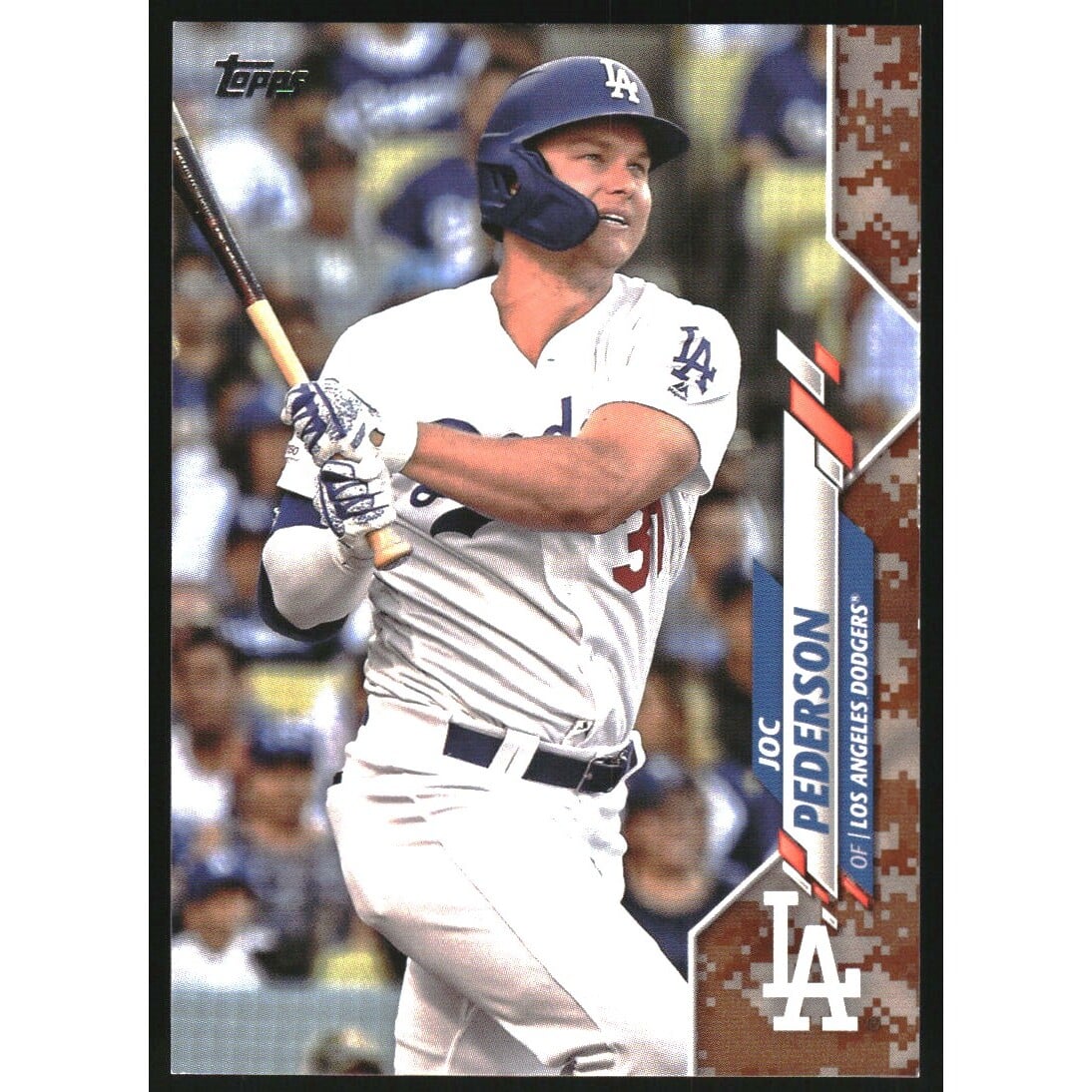
On July 27, 2026, the Texas Rangers beat the Seattle Mariners 7-3 at home, and two swings from designated hitter Joc Pederson accounted for a big chunk of that scoreboard. The 34-year-old lefty went deep twice in the same game — a feat rare enough that, on a day when most hitters in baseball didn't hit any home runs at all, it made him one of the statistically loudest performers in the sport.
Start with the baseline. Across every game played on July 27, the average hitter in the majors combined for about 0.13 home runs — for roughly every eight batters who stepped to the plate, one solo shot got hit somewhere across the league that day. Pederson hit two, by himself, in one game. That gap works out to a z-score of about 5.0 against that day's population of hitters, well past the threshold — 3.0 — that sabermetricians typically treat as 'happens about once a season across the whole league.' A performance this far outside the norm shows up only a handful of times across an entire MLB season, not just a single day. Add it to a season line that already included 19 home runs, a .513 slugging percentage, and an .856 OPS through 95 games, and July 27 becomes the loudest single data point in an already productive year at the plate.
What's harder to pin down is exactly how it happened. The pitch-by-pitch data for these two specific home runs — exit velocity, launch angle, the stuff that usually explains a big night — isn't available in what we have, so there's no clean read on whether these were 108 mph rockets or fly balls that snuck over the wall. What we can say: Pederson is a left-handed hitter with a career built on power, 237 home runs across his time in the majors, and a .513 slugging mark this season comfortably above his .238 career batting average. A two-homer game from a hitter with that profile isn't mechanically shocking in isolation — it's the concentration of it, two balls out in the same nine innings, that makes the night statistically rare rather than any single swing being extraordinary.
What's harder to pin down is exactly how it happened. The pitch-by-pitch data for these two specific home runs — exit velocity, launch angle, the stuff that usually explains a big night — isn't available in what we have, so there's no clean read on whether these were 108 mph rockets or fly balls that snuck over the wall. What we can say: Pederson is a left-handed hitter with a career built on power, 237 home runs across his time in the majors, and a .513 slugging mark this season comfortably above his .238 career batting average. A two-homer game from a hitter with that profile isn't mechanically shocking in isolation — it's the concentration of it, two balls out in the same nine innings, that makes the night statistically rare rather than any single swing being extraordinary.
The timing matters too. This came in a Rangers win over Seattle, a divisional-flavored 7-3 game Texas needed offense to pull away in. Pederson, over a decade into his major-league career, has settled into a middle-of-the-order power role rather than everyday outfield duty — his .254 average and .343 on-base percentage this year both sit meaningfully above his .238 career mark, which suggests some of this isn't just one hot night but a genuinely better season at the plate. Nineteen home runs in 95 games puts him on a full-season pace that would rank among his better power years. A two-homer game doesn't retroactively explain an entire season, but it fits a player who's been squaring up the ball with real authority for months, not manufacturing a random outlier out of nowhere.
The specific thing to watch: does Pederson's slugging percentage hold above .500 through the rest of the summer, or does July 27 turn out to be the high point of a stretch that fades back toward his career numbers? He's a lefty who has historically faced more right-handed pitching — worth checking whether the Rangers keep deploying him primarily against right-handers over their next homestand, or whether a night like this buys him more looks against tougher left-on-left matchups too.
Two swings, one afternoon, and a season that already looked solid just got a lot louder.