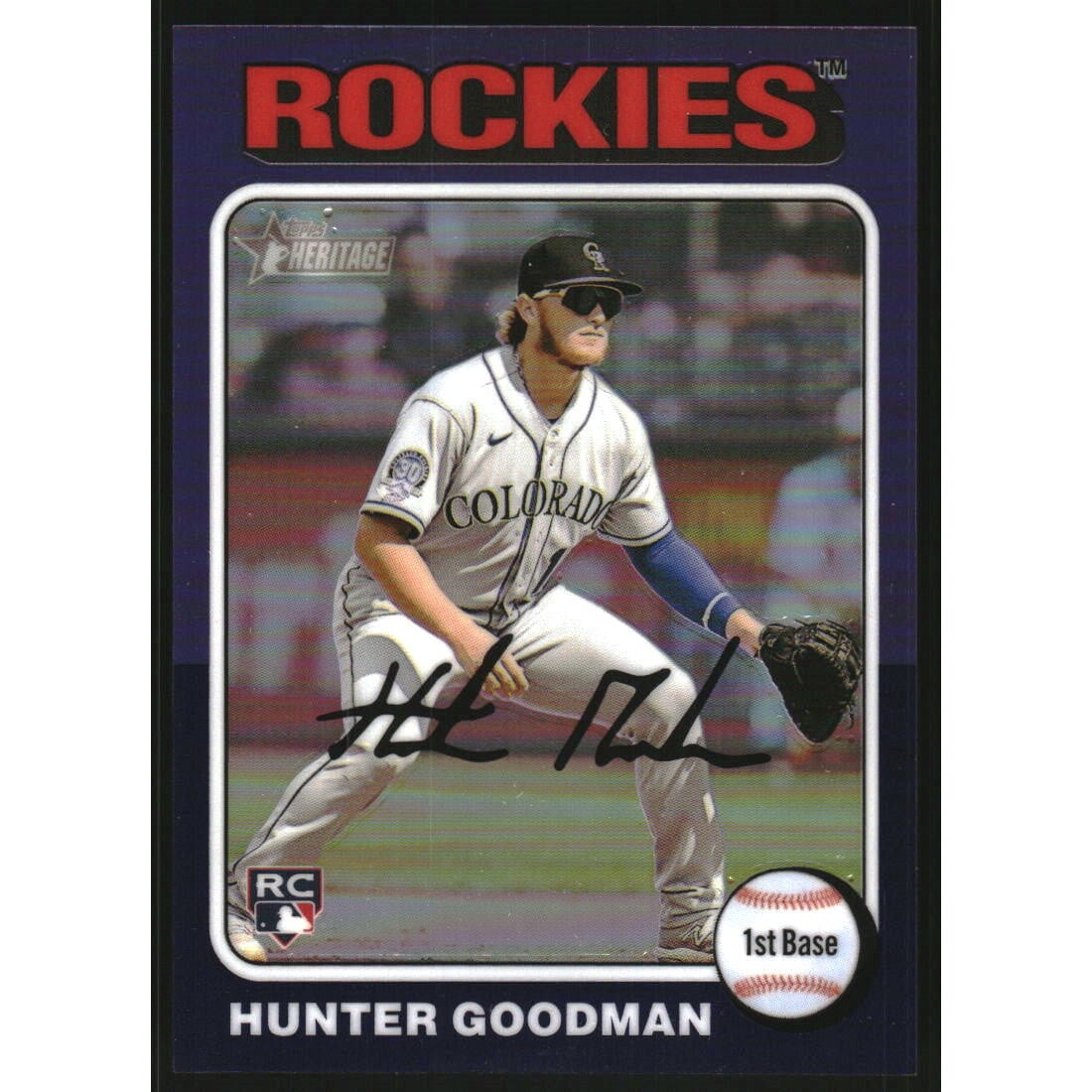
On July 19, 2026, the Cincinnati Reds beat the Colorado Rockies 9-6, and somehow Hunter Goodman's three home runs weren't enough to save his team. The Rockies catcher went deep three separate times in the same game — a personal milestone that turned into a footnote once Cincinnati's offense answered back and Colorado's pitching couldn't hold the lead.
Start with the baseline: across all of yesterday's games, the average player who took the field hit 0.15 home runs — meaning the typical outcome for a big-league hitter on any given day is zero. Goodman hit three. That gap works out to a z-score of 6.53 against the full day's population of hitters, a number so far outside the normal range that games like it don't happen on a predictable schedule — they're the kind of outlier that might surface only a handful of times across an entire MLB season, if that. Three-homer games are already uncommon around the league; doing it as your team's leading power threat, from behind the plate, in a game your team still loses, is rarer still.
The box score doesn't include exit velocity or launch angle for these three specific swings, so it's worth being careful about claiming to know exactly how each ball left the yard. What is available is the shape of Goodman's season: he came into the game already sitting on 30 home runs through 92 games, and a .561 slugging percentage that says he's been doing real damage on contact all year, not just piling up singles. Add in that this was a home game for Colorado — a park with a long-documented reputation for turning well-struck fly balls into extra bases at altitude — and you have a plausible partial explanation for why three swings cleared the fence in one night. It's a real factor, not the whole story.
The box score doesn't include exit velocity or launch angle for these three specific swings, so it's worth being careful about claiming to know exactly how each ball left the yard. What is available is the shape of Goodman's season: he came into the game already sitting on 30 home runs through 92 games, and a .561 slugging percentage that says he's been doing real damage on contact all year, not just piling up singles. Add in that this was a home game for Colorado — a park with a long-documented reputation for turning well-struck fly balls into extra bases at altitude — and you have a plausible partial explanation for why three swings cleared the fence in one night. It's a real factor, not the whole story.
Zoom out and the power spike tracks with a broader trend in Goodman's season. His career rate coming into 2026 was 75 home runs in 329 games — roughly one every 4.4 games. This year alone he's at 30 in 92, close to one every three games, a meaningfully faster pace than his career norm. A three-homer night doesn't happen in isolation; it's the extreme tail of a hitter who was already running hotter than his own history suggested he would.
The next few weeks answer the real question: is this three-homer game a signal that Goodman's power output has shifted to a new level, or the kind of one-night spike that regresses hard? Watch his next five to ten games specifically for barrel contact rate and whether his slugging percentage holds above .560 — if it slides back toward his career .251 average with the power gone quiet, last night looks exactly like what a 6.53 z-score suggests: a night that doesn't repeat.
Colorado lost the game. Whether they gained a different hitter going forward is the thing worth tracking.