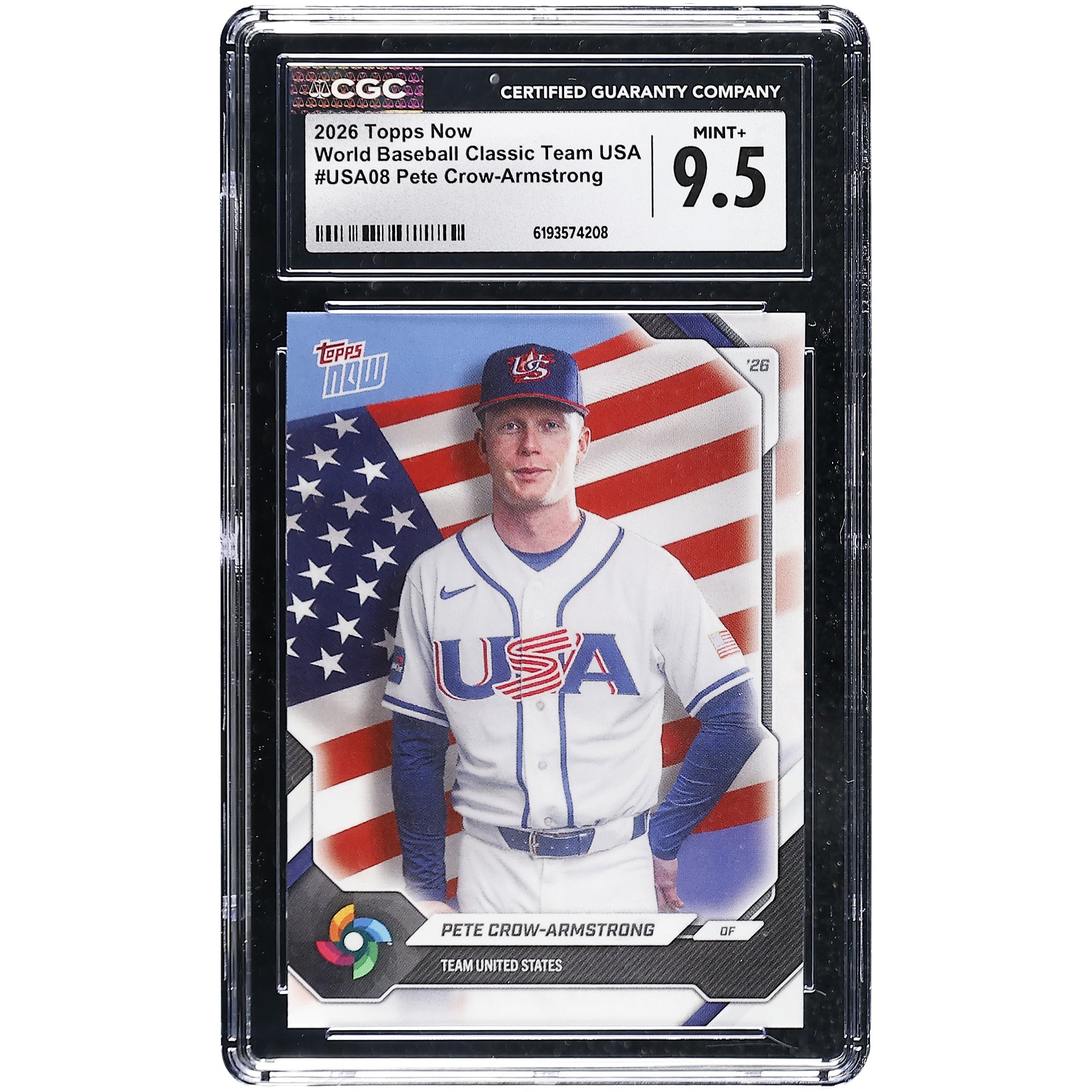
On August 29, 2026, the Chicago Cubs routed the Cincinnati Reds 17-5, and Pete Crow-Armstrong personally accounted for three of Chicago's home runs. The 24-year-old center fielder, whose game has always leaned on speed and glove work more than raw power, turned a lopsided Wrigley Field win into the site of one of the rarest offensive nights any hitter will produce this year.
Across every hitter who played on August 29, the average player hit 0.099 home runs — in plain terms, most hitters went deep zero times, and only a fraction managed even one. Crow-Armstrong hit three. That gap produces a z-score of 8.67 against the day's full population of hitters. A z-score of 4 already describes a performance rare enough to show up once every few seasons leaguewide; a number more than double that sits so far outside the normal range that three-homer games — which happen only a handful of times across all of MLB in a given season — are the closest real-world comparison, and this one still cleared that bar by a wide margin.
The box score confirms three home runs, but the specific exit velocities and launch angles for those three swings aren't available in the game data, so it's worth being honest about what we don't know rather than guessing at how hard each ball was hit. What we do know is the season-long shape of Crow-Armstrong's year: a .567 slugging percentage and .944 OPS through 136 games, numbers that describe a hitter already producing at a power level well beyond his defensive-and-speed reputation. A three-homer night from that player isn't a total break from form — it's an extreme version of a trend that was already visible in his season line.
The box score confirms three home runs, but the specific exit velocities and launch angles for those three swings aren't available in the game data, so it's worth being honest about what we don't know rather than guessing at how hard each ball was hit. What we do know is the season-long shape of Crow-Armstrong's year: a .567 slugging percentage and .944 OPS through 136 games, numbers that describe a hitter already producing at a power level well beyond his defensive-and-speed reputation. A three-homer night from that player isn't a total break from form — it's an extreme version of a trend that was already visible in his season line.
Thirty-six home runs in 136 games this season is nearly half his career total of 77 home runs across 429 games, which tells you how much of Crow-Armstrong's power output has been compressed into this single year. He entered his career as a glove-and-legs prospect; the .282 average and 89 RBI attached to that 36-homer total describe a different kind of player than the one who debuted in 2023. It's also worth noting the context: Chicago won by 12 runs, so this wasn't a night where Crow-Armstrong single-handedly rescued a close game — it was one loud chapter in a game the Cubs were already dominating.
The real test is what comes next. Crow-Armstrong has struck out 159 times already this season, so the question isn't whether he can hit for power — it's whether the swing-and-miss profile that comes with it lets this pace hold up over the Cubs' final stretch of games. Watch specifically whether he closes the season north of 40 home runs, which would blow past his previous career high by a wide margin, or whether his strikeout rate climbs enough in September to suggest pitchers have adjusted to how he's getting to these pitches.
Three-homer nights are rare enough on their own. One from a player built on speed and defense is the kind of thing that rewrites how you think about him for the rest of his career.