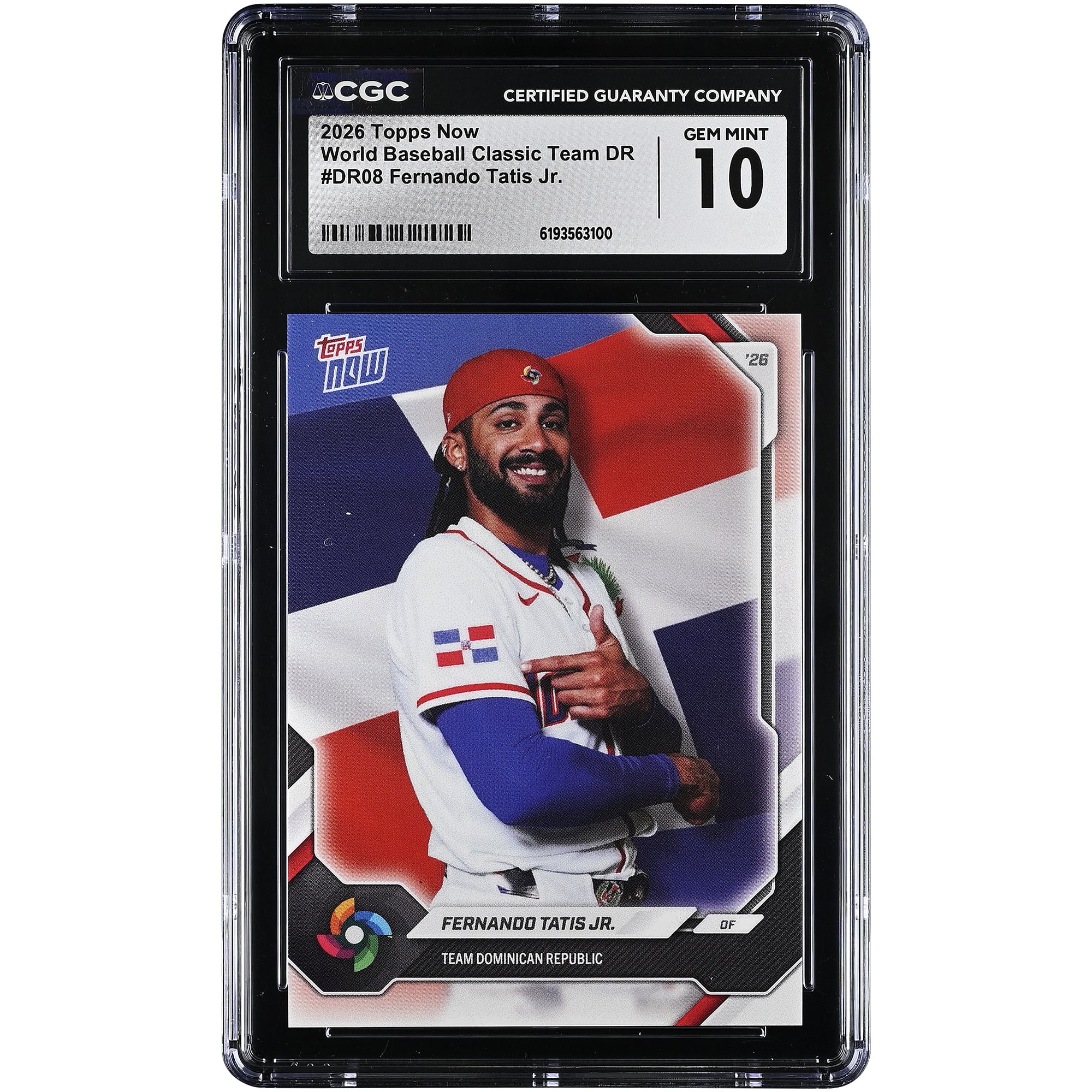
On August 23, 2026, the San Diego Padres routed the Minnesota Twins 8-1, and Fernando Tatis Jr. drove in at least two of those eight runs with a pair of home runs. Two-homer games are the kind of outlier that makes a blowout feel almost inevitable in retrospect — except almost nobody in baseball does this on any given day, and Tatis just did.
Start with the baseline. Across every player who appeared in a game on August 23, 2026, the average number of home runs hit was 0.11 — meaning most players who stepped to the plate that day hit zero, and a decent chunk of the ones who did homer only managed one. Tatis hit two, and the statistical distance between that and a typical day works out to a z-score of 5.89. That's not a modest deviation. A gap that size from the mean essentially never shows up in a single day's box scores — this is the territory of maybe a handful of games across an entire season, once you account for every game played by every team in the league. San Diego won 8-1, and two of the Padres' home runs on the night came from the same bat.
It's worth being upfront about what's missing here: the pitch-by-pitch Statcast data for these two specific home runs — exit velocity, launch angle — isn't available in this box score. What is available is the shape of Tatis's season. He came into the game hitting .285 with a .444 slugging percentage, 17 home runs and 67 RBI across 133 games. That's not a hitter who suddenly discovered power for one night; it's a player who's been doing damage all year, adding two more homers to a total that was already building. A two-homer outburst from someone already slugging .444 reads differently than the same outburst from a hitter who hadn't gone deep all season.
It's worth being upfront about what's missing here: the pitch-by-pitch Statcast data for these two specific home runs — exit velocity, launch angle — isn't available in this box score. What is available is the shape of Tatis's season. He came into the game hitting .285 with a .444 slugging percentage, 17 home runs and 67 RBI across 133 games. That's not a hitter who suddenly discovered power for one night; it's a player who's been doing damage all year, adding two more homers to a total that was already building. A two-homer outburst from someone already slugging .444 reads differently than the same outburst from a hitter who hadn't gone deep all season.
Zoom out and the rarity here isn't really about Tatis's talent level — it's about how the statistics are measured. His .798 OPS and 17 home runs this season put him in the range of a solid, productive year, consistent with a career line of .278 and 169 home runs across 804 games. Nothing in that profile is historic by his own standards. What the 5.89 z-score captures instead is how unusual it is for any one player, on any one day, to separate himself this far from the roughly 0.11-homer average posted by everyone else who played baseball that afternoon and evening. Two-homer games happen around the league fairly often in aggregate; they almost never happen to the specific player you're watching.
The thing to track now isn't whether Tatis can repeat two homers in a night — that's rare by definition and shouldn't be expected again soon. It's whether his slugging percentage, sitting at .444 entering this game, climbs meaningfully over his next 10-15 plate appearances. A jump into the .460s or higher would suggest this game was the leading edge of a hot stretch. A quiet week afterward would mean August 23 was exactly what the z-score implies: a statistically extreme night sitting on top of an otherwise ordinary, solid season.
By the end of the season, this game will read either as the peak of a scorching stretch or as the one outlier night a .798-OPS season only produces once. On August 23, it happened anyway — a result the day's averages say should almost never show up in a single box score.