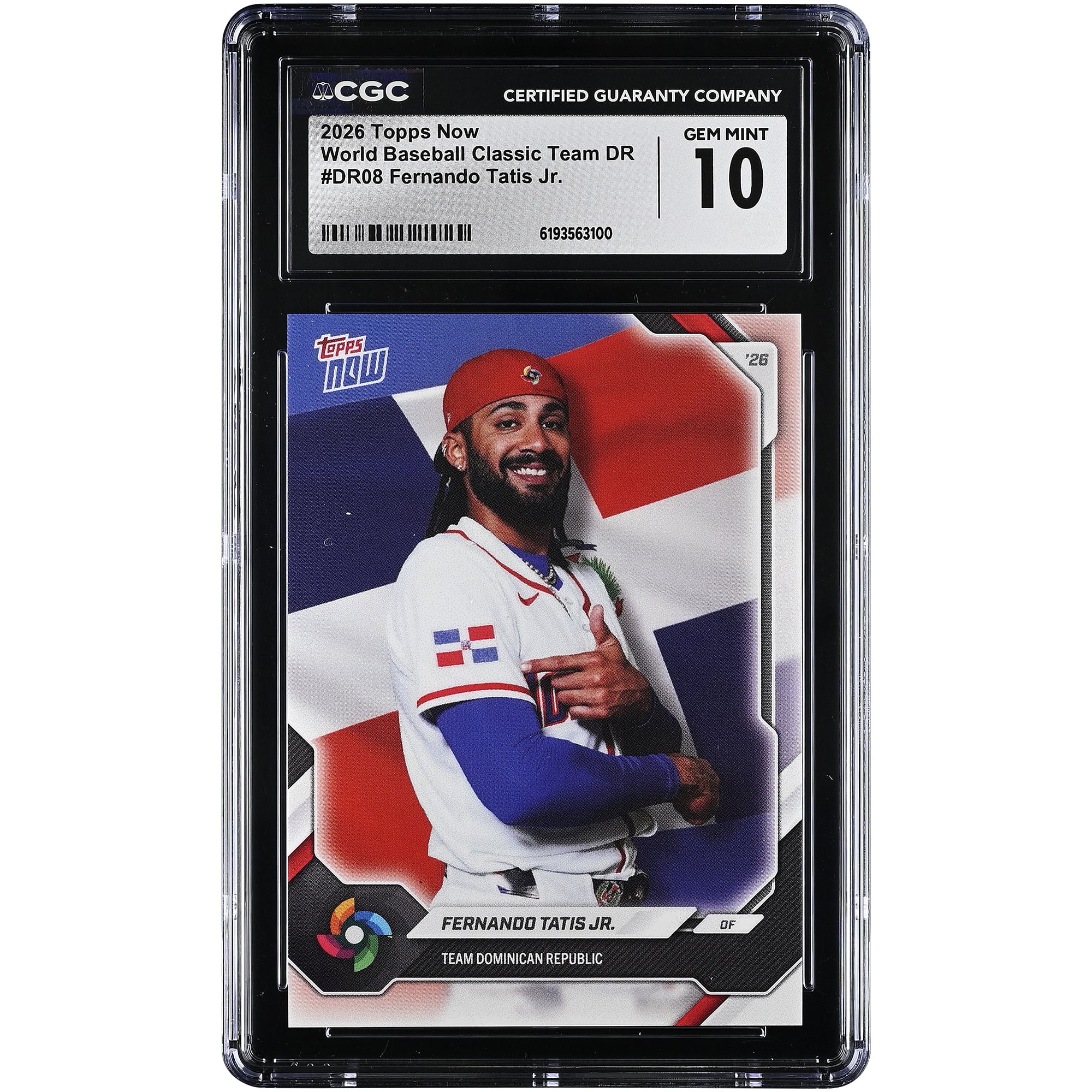
On August 18, 2026, the San Diego Padres beat the New York Mets 5-2, and Fernando Tatis Jr. was responsible for two of those five runs by himself. Two home runs in one game is rare for any hitter on any given day — but for Tatis specifically, in this particular season, it's rarer than usual.
Across every player who appeared in a major league game on August 18, 2026, the average number of home runs hit was 0.13 — meaning on a typical day, roughly one in eight players who log a plate appearance goes deep even once. Tatis hit two. That performance sits 5.44 standard deviations above that day's league-wide average. A z-score of 4 already describes a game rare enough to show up only once every several seasons across the whole league; 5.44 pushes well past that line. This is the kind of single-game output that might appear a handful of times per decade among the several hundred hitters who take at-bats on any given day.
The box score confirms what happened — two home runs, a 5-2 Padres win over the Mets — but the underlying Statcast readings for those two specific swings (exit velocity, launch angle, projected distance) aren't available in this game's record. That's a real gap: normally those numbers would tell us whether these were no-doubt shots hit well over 105 mph or squeakers that snuck over the wall. Without them, the honest answer is we know the outcome, not the physics behind it.
The box score confirms what happened — two home runs, a 5-2 Padres win over the Mets — but the underlying Statcast readings for those two specific swings (exit velocity, launch angle, projected distance) aren't available in this game's record. That's a real gap: normally those numbers would tell us whether these were no-doubt shots hit well over 105 mph or squeakers that snuck over the wall. Without them, the honest answer is we know the outcome, not the physics behind it.
What we can say with certainty is how this fits into Tatis's 2026 season. Entering into the numbers on his current stat line — 125 games played, 15 home runs, a .785 OPS, a .280 average — he's been hitting a home run roughly once every eight games this year. For his career, spanning 796 games and 167 home runs, that rate is closer to once every five games. In other words, 2026 has been a quieter power season for him relative to his own track record, which makes a two-homer night stand out even more than it would in a typical Tatis year.
The question worth tracking over San Diego's next homestand isn't whether Tatis can hit a home run — it's whether this game marks a return to his career home run rate or stays an isolated spike in an otherwise modest power year. If his next several games produce homers at anything close to his career pace of one every five games, this becomes the start of a second-half surge. If the power goes quiet again, August 18 was simply an outlier night, not a turning point.
Two swings put him three standard deviations closer to his career norm and five and a half standard deviations away from an ordinary Tuesday. Which version of Tatis shows up next tells you which number was the fluke.