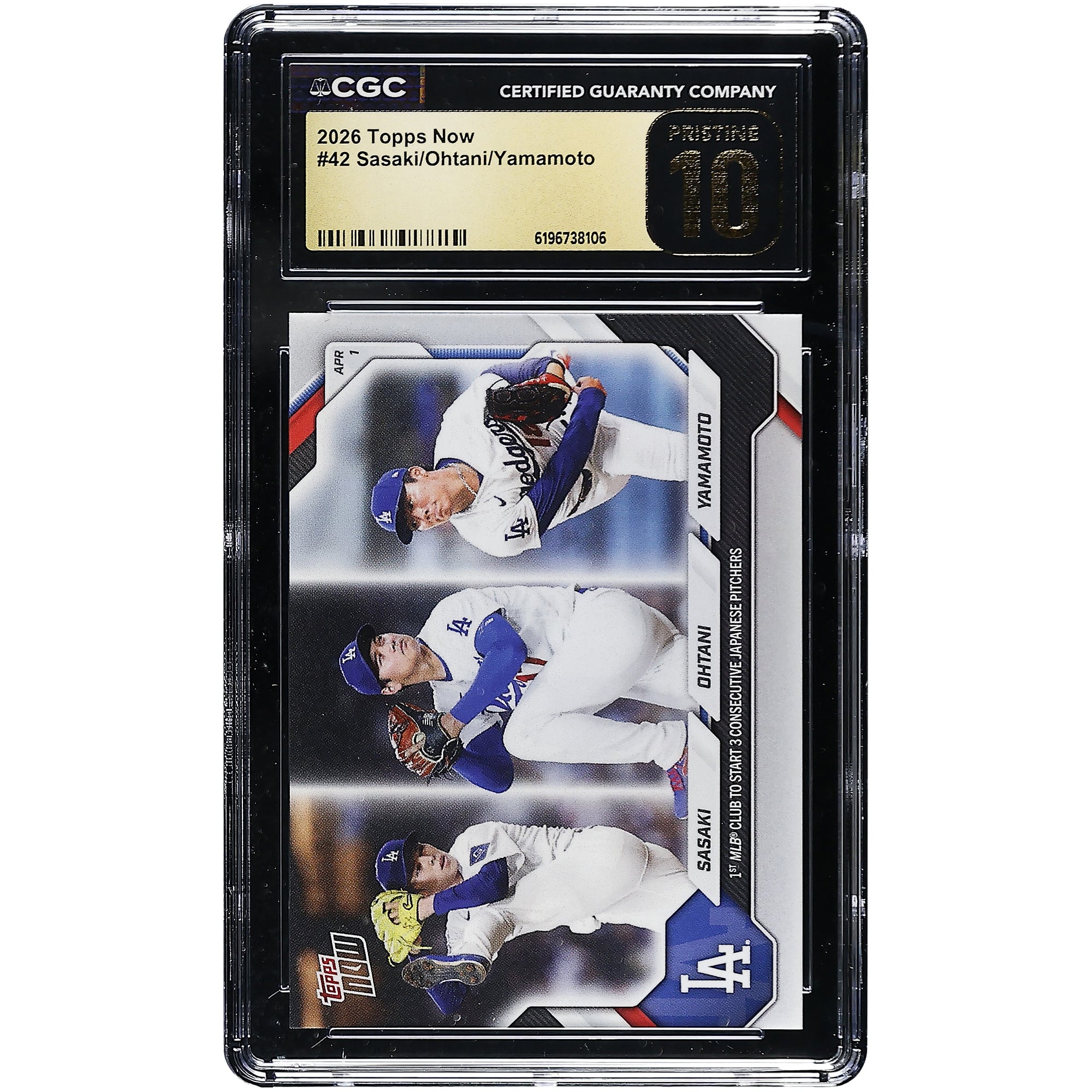
On August 17, 2026, the Los Angeles Dodgers beat the Colorado Rockies 11-5 at Coors Field, turning a midweek road game into a blowout. Shohei Ohtani supplied two of the Dodgers' runs himself with a pair of home runs, part of a season that already had him near 30 for the year. Two homers in one night sounds routine for a hitter like Ohtani. Statistically, on any given day across the league, it almost never is.
Across every major league game played on August 17, the average player hit 0.124 home runs — roughly one homer for every eight hitters who stepped to the plate that day. Ohtani hit two, in a single game, which works out to a z-score of 5.17 against that full day's population of hitters. A z-score north of 3 already lands a performance in once-a-season territory league-wide; 5.17 is well beyond that, the kind of gap between one player and everyone else that shows up only a handful of times across an entire season, if that.
The box score data for this game doesn't include exit velocity or launch angle readings on the two home runs themselves, so the exact physics of these swings isn't something we can pin down. But the broader shape of Ohtani's season offers a plausible mechanism. He's hitting the ball 95 mph or harder on roughly 62% of his batted balls this year — an elite hard-contact rate — while running a .556 slugging percentage. Add in Coors Field, a park well known for flattening breaking-ball movement and helping fly balls carry farther at altitude, and you have a hitter already built for power stepping into a ballpark that rewards exactly that.
The box score data for this game doesn't include exit velocity or launch angle readings on the two home runs themselves, so the exact physics of these swings isn't something we can pin down. But the broader shape of Ohtani's season offers a plausible mechanism. He's hitting the ball 95 mph or harder on roughly 62% of his batted balls this year — an elite hard-contact rate — while running a .556 slugging percentage. Add in Coors Field, a park well known for flattening breaking-ball movement and helping fly balls carry farther at altitude, and you have a hitter already built for power stepping into a ballpark that rewards exactly that.
This game left Ohtani at 29 home runs through 120 games, hitting .295 with a .948 OPS on the season — numbers that keep him squarely in the conversation for the sport's best hitters, full stop, not just among two-way players. Zoom out to his career and the pattern holds: 309 home runs across 1,153 games since his 2018 debut, a track record built as much on sudden multi-homer nights as steady week-to-week production. The Rockies felt the weight of it in an 11-5 final that stopped being competitive by the middle innings.
The next thing worth watching: how Ohtani's power numbers hold up once the Dodgers leave altitude. His next road series outside Colorado is the cleaner test of whether this two-homer night reflects a real uptick in bat speed and contact quality, or simply a hard-hitting season colliding with the league's most favorable hitting environment for one night.
Either way, two runs off two swings, in a game his team won by six, is the kind of outlier that reminds you how unusual Ohtani's routine actually is. Twenty-nine home runs into the season, and he still found a new way to make it look effortless.