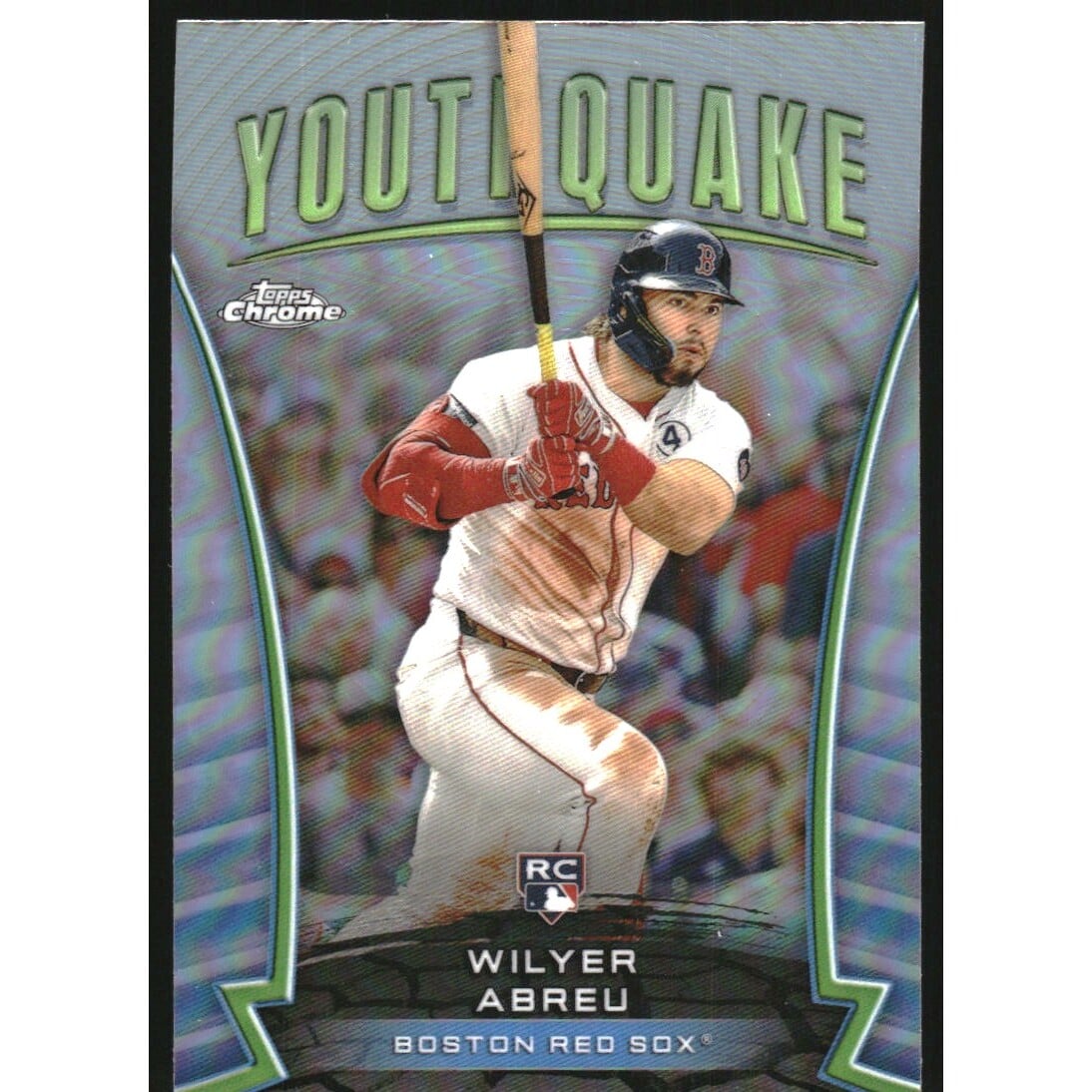
On July 17, 2026, the Boston Red Sox beat the Tampa Bay Rays 5-3, a margin thin enough that a single mistake pitch could have flipped it. Wilyer Abreu, Boston's left-handed outfielder, accounted for two of those five runs himself, hitting a pair of home runs off a Rays pitching staff that hadn't let him get to this kind of power all season. It's the sort of line that reads as routine in a box score but is anything but routine underneath it.
Across every game played that day, the average hitter left the yard 0.15 times — meaning the typical player didn't hit a home run at all, let alone one. Abreu hit two, more than thirteen times that league-wide daily average. Run that gap through the numbers and you get a z-score of 4.67, which is a level of statistical extremity that shows up maybe once or twice across an entire MLB season, not once a month and certainly not once a week. Two-homer games happen regularly around the league; a two-homer game that stands this far outside a single day's performance distribution does not.
We don't have Statcast's exit-velocity or launch-angle readings for these two specific swings — that per-homer data wasn't tracked in this game's log — so the honest answer on mechanism is partial. What we do have is the season-long shape of his contact quality: Abreu's hard-hit rate, the share of his batted balls struck at 95 mph or harder, sits at 61.9% this year, a mark that puts him among the more consistent hard-contact hitters in the sport. A rate that high means when he connects, the ball is rarely a soft fly out — it's traveling with enough force that a fair number of those swings were always going to have a shot at clearing a fence.
We don't have Statcast's exit-velocity or launch-angle readings for these two specific swings — that per-homer data wasn't tracked in this game's log — so the honest answer on mechanism is partial. What we do have is the season-long shape of his contact quality: Abreu's hard-hit rate, the share of his batted balls struck at 95 mph or harder, sits at 61.9% this year, a mark that puts him among the more consistent hard-contact hitters in the sport. A rate that high means when he connects, the ball is rarely a soft fly out — it's traveling with enough force that a fair number of those swings were always going to have a shot at clearing a fence.
Zoom out and the two-homer night looks less like a fluke and more like confirmation of a slow build. Abreu came into the game with 11 home runs in 94 games, a .263 average and a .777 OPS — solid, unspectacular numbers for a 27-year-old three years into his career. This game pushes his season total to 13 and nudges his slugging line upward, the kind of jump that a single big night can produce without changing who he fundamentally is as a hitter. His career .258 average and 52 home runs over 369 games suggest a player who's been gradually climbing toward this level of impact rather than arriving at it overnight.
The next test isn't this game — it's what Tampa Bay does the next time they see him. Watch whether their staff changes its pitch mix against Abreu in hitter's counts, and watch whether his hard-hit rate over his next ten games holds anywhere close to 55% or higher. If it does, this two-homer night looks like a data point confirming a real uptick in quality of contact. If it fades back toward league-average hard-hit numbers, this game was closer to a two-swing outlier than a signal.
One night doesn't rewrite a player's profile, but a z-score above 4.5 is loud enough that the league will be watching his next at-bats more closely than usual.