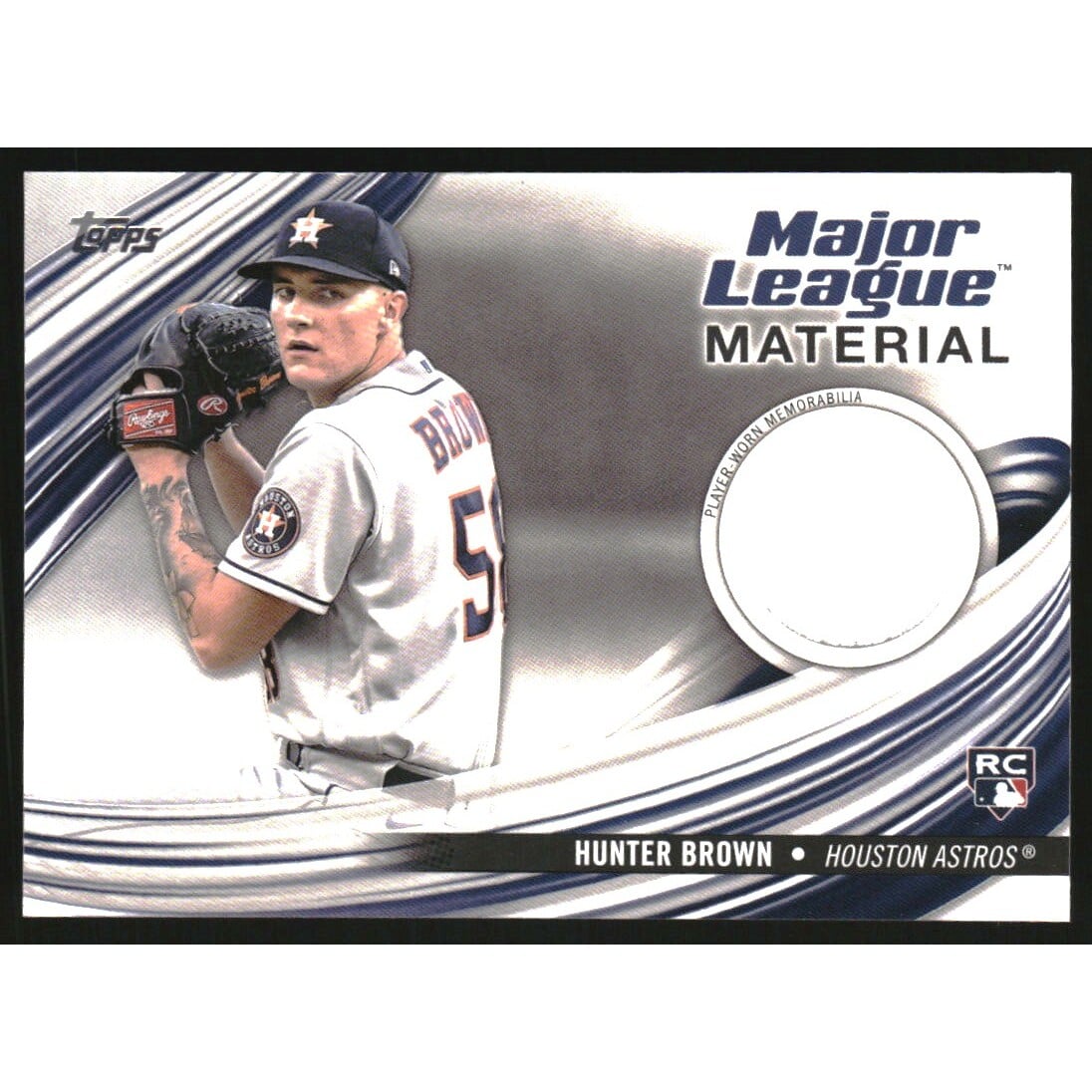
On August 28, 2026, the Houston Astros beat the New York Mets 3-1 in a game that stayed close from the first pitch. Hunter Brown started for Houston and worked 6.2 innings, striking out 10 Mets hitters along the way — enough to turn a low-scoring, tightly contested game into a showcase for his ability to miss bats when his team needed outs the most.
Ten strikeouts in 6.2 innings is a strong line on its own, but the context sharpens it. Across all major league games on August 28, pitchers averaged 6 strikeouts per outing. Brown beat that baseline by 4, and his performance carried a z-score of 2.5 relative to that full day's population of starters. Translated into plain terms, a z-score in that range puts him somewhere around the top 1 percent of individual pitching performances leaguewide that day — the kind of strikeout total that shows up in roughly one or two starts out of a hundred on any given day of the season.
What's driving it isn't something the box score fully explains, since pitch-by-pitch swing-and-miss data isn't part of what's available here. But a few things are worth separating out. Brown's season line shows roughly 5.7 strikeouts per start (86 strikeouts across 15 outings this year), so notching 10 in one game is a jump from his own typical workload, not just the league's day-to-day average. That points toward either a sharper pitch mix from Brown himself or a Mets lineup that chased more than it normally does. Without pitch-level data to confirm which, the honest read is that both likely played a part, with more credit landing on Brown given how thin the Astros' 3-1 margin ended up being.
What's driving it isn't something the box score fully explains, since pitch-by-pitch swing-and-miss data isn't part of what's available here. But a few things are worth separating out. Brown's season line shows roughly 5.7 strikeouts per start (86 strikeouts across 15 outings this year), so notching 10 in one game is a jump from his own typical workload, not just the league's day-to-day average. That points toward either a sharper pitch mix from Brown himself or a Mets lineup that chased more than it normally does. Without pitch-level data to confirm which, the honest read is that both likely played a part, with more credit landing on Brown given how thin the Astros' 3-1 margin ended up being.
Zoom out and the outing fits into a season that's been solid but unspectacular by record. Brown carries a 3.33 ERA through 15 starts this year, yet has only 4 wins to show for it — a sign Houston's offense hasn't always backed him when he's pitched well. His career line (671 strikeouts, a 3.47 ERA over 115 games since his 2022 debut) paints him as a steady strikeout arm rather than a pitcher prone to sudden spikes, which is exactly what makes a night like this one worth flagging instead of shrugging off as noise. In a 3-1 win over a Mets team fighting for its own positioning, this was the kind of start Houston has needed and hasn't always gotten from its rotation this year.
The question now is whether this was a one-off result against a cold Mets lineup or a sign of something sustainable. Watch Brown's next start closely: if he strikes out 8 or more again against a lineup that isn't unusually strikeout-prone, it starts to look like a real uptick rather than a good matchup. If he reverts to his 5-6 strikeout norm, this game was likely more about the Mets' approach at the plate than any change in what Brown is throwing.
Either way, Houston will take it — a 3-1 win is a 3-1 win, and on August 28, Hunter Brown made sure it stayed that way.