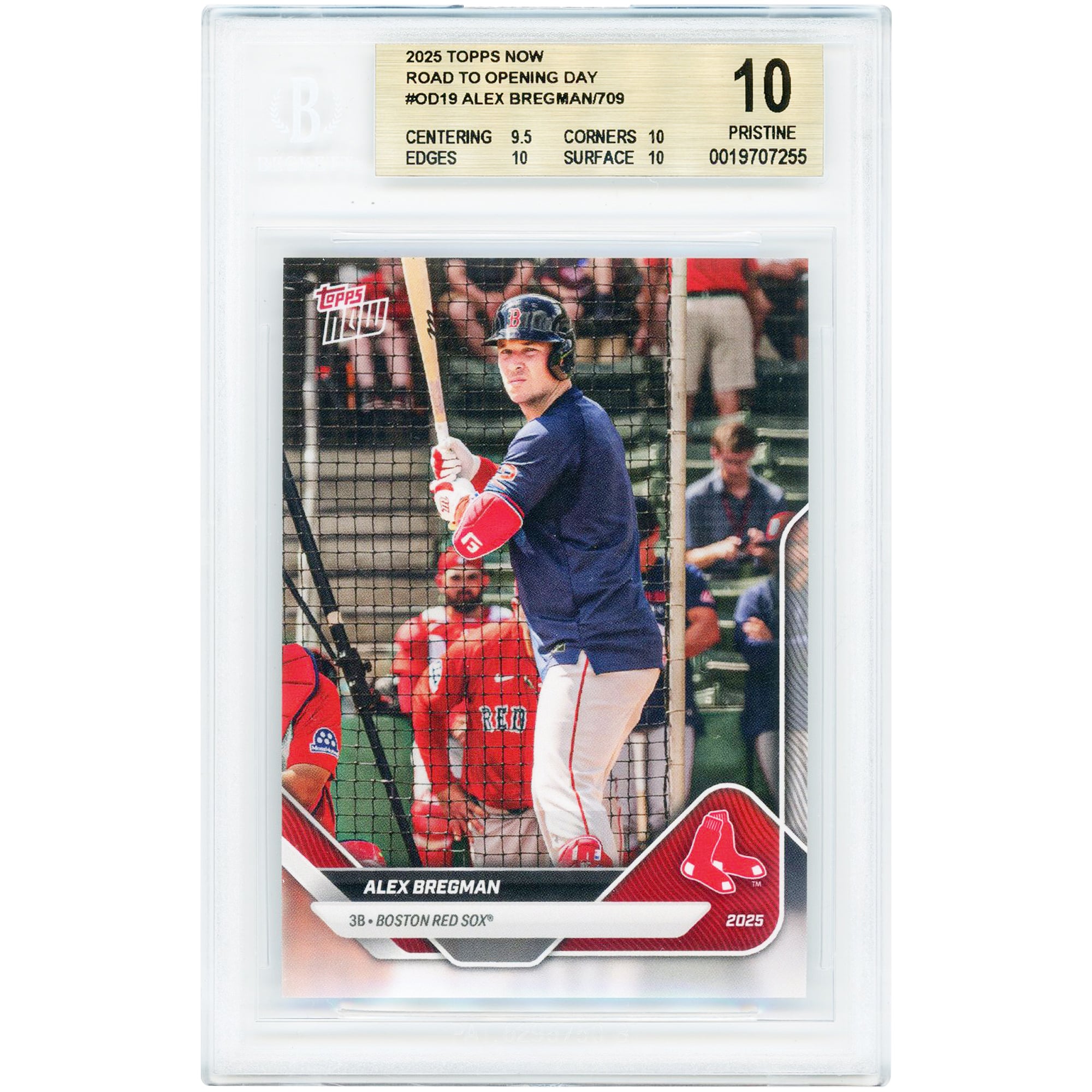
On August 21, 2026, the Seattle Mariners beat the Chicago Cubs 6-5, a game decided by a single run. In the middle of that tight finish, Cubs third baseman Alex Bregman hit two home runs — and it still wasn't enough. His power output that night sits at the extreme edge of what an individual hitter does in a single game.
Across every player who appeared in an MLB game on August 21, the average number of home runs hit was 0.113 — in plain terms, about one homer for every nine players who stepped into the batter's box that day. Bregman hit two, by himself, in one game. That gap produces a z-score of 5.71, a number so far outside the normal range that games like it don't show up even once most seasons across the entire league; they're closer to a handful-of-times-per-several-years event. Whatever else happened in Seattle that night, Bregman's line was the most statistically extreme thing on the board.
The box score confirms the two home runs, but there's no pitch-by-pitch exit velocity or launch angle logged for those specific swings in the available data, so we can't say precisely how hard he hit them or where they landed. What we can say is how this fits his season: across 132 games this year, Bregman's season log shows 19 home runs — a full-season total that includes this night's pair, which means the rest of his year has produced offense at a far quieter pace than what showed up against the Mariners.
The box score confirms the two home runs, but there's no pitch-by-pitch exit velocity or launch angle logged for those specific swings in the available data, so we can't say precisely how hard he hit them or where they landed. What we can say is how this fits his season: across 132 games this year, Bregman's season log shows 19 home runs — a full-season total that includes this night's pair, which means the rest of his year has produced offense at a far quieter pace than what showed up against the Mariners.
Zoom out and this looks less like a new gear and more like a spike inside a season that's been ordinary by Bregman's own standards. His .252 average and .753 OPS this year trail his .270 career average and his 228 career home runs, built over eleven seasons that include an MVP-caliber peak. A two-homer night like this one is proof that even a player having a down year is still capable of a performance that ranks among the rarest in the sport on a single-game basis — his team just needed one more run to turn it into a win instead of a footnote.
The question worth tracking is whether August 21 was Bregman waking up for a stretch run or a two-swing blip. Watch his next ten games: three or more home runs in that span would suggest something changed in his approach or matchups; a quiet stretch with one or none would confirm this outing was exactly the outlier the z-score says it already is.
For one night, the rarest line on the leaderboard belonged to a third baseman on a team that still lost. Baseball has a habit of making its outliers look almost incidental.