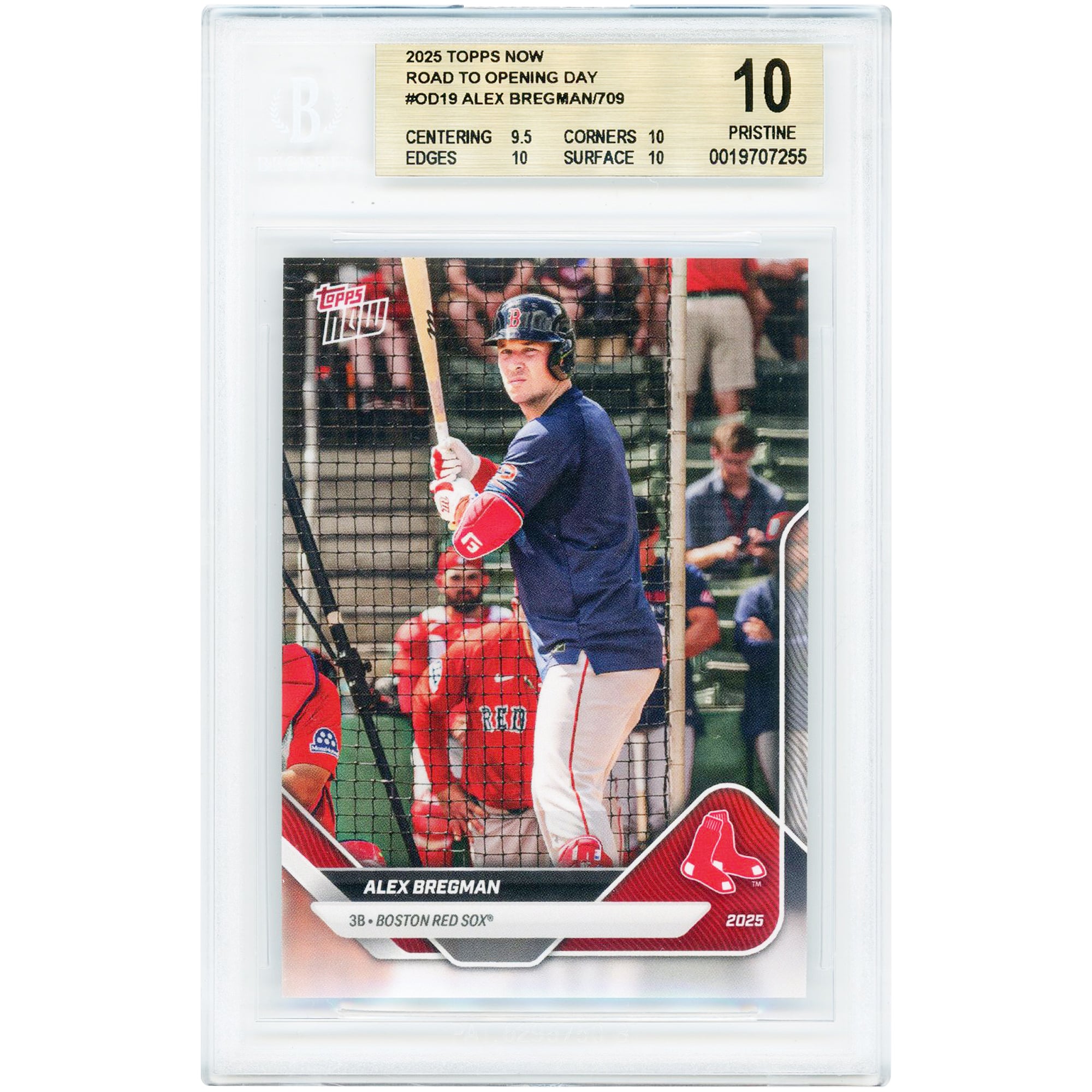
On August 12, 2026, the Chicago Cubs beat the Washington Nationals 12-6 in a game that turned into a laugher by the middle innings. Alex Bregman, the Cubs' third baseman, hit three home runs in it — a number that, on an average day across all of MLB, almost nobody reaches.
Across every player who appeared in a game on August 12, the average number of home runs hit was 0.14 — in plain terms, roughly one home run for every seven players who stepped on the field. Bregman hit three. That gap works out to a z-score of 7.16, a number so far outside the normal range that it sits beyond the usual once-a-season or once-a-decade benchmarks statisticians use for extreme performances. Three-homer games happen in MLB a handful of times per year, league-wide — Bregman's version of it, measured against how everyone else performed that specific day, was among the most extreme any player produced in 2026.
The box score doesn't give us exit velocity or launch angle on these three specific homers — that Statcast detail isn't available for this game — so the clearest mechanical story comes from the context around them. The Cubs put up 12 runs total on the day, meaning Bregman wasn't the only hitter finding barrels against Washington's pitching staff; three homers in a 12-run outburst suggests a Nationals staff that was getting hit hard across the lineup, not just by one player having a fluke afternoon. Without pitch-level data, it's fair to note this connection but not overstate it as proof of anything beyond a bad day on the mound for Washington.
The box score doesn't give us exit velocity or launch angle on these three specific homers — that Statcast detail isn't available for this game — so the clearest mechanical story comes from the context around them. The Cubs put up 12 runs total on the day, meaning Bregman wasn't the only hitter finding barrels against Washington's pitching staff; three homers in a 12-run outburst suggests a Nationals staff that was getting hit hard across the lineup, not just by one player having a fluke afternoon. Without pitch-level data, it's fair to note this connection but not overstate it as proof of anything beyond a bad day on the mound for Washington.
Bregman's season line going into August 12 was modest by his own standards: a .256 average, .759 OPS, and 16 home runs across 118 games — a rate of a little over one homer per nine games played. A three-homer night is roughly three times that pace compressed into a single game. For a hitter with 225 career home runs over a decade in the league, three in one game is rare even by his own history; most seasons, a player with his track record has zero multi-homer games that reach three, let alone several.
The question worth tracking over the next two weeks is whether this game marks a swing change or a pitch-selection shift that sticks, or whether it's an isolated spike against a struggling Washington staff. Watch Bregman's hard-hit rate and home run pace over his next 10 games — if he's still running well above his season average of roughly one homer per nine games, that's a real signal. If he reverts to his prior pace immediately, August 12 was simply one very good night.
Three home runs, a 12-6 final, and a z-score north of 7 — the kind of night that shows up in a box score once and then mostly just becomes a number nobody quite believes later.